Knights
of the razor
Parody. "In the dark land they bide, the vengeful knights of the razor. Their deadly coil they grasp: yea, and therein they lead to Erebus whatsoever wight hath done a deed of blood for I will on nowise suffer it even so saith the Lord": responding to Alf Bergan's characterization of executioners as barbers "from the black country that would hang their own fathers for five quid down and travelling expenses," this brief interruption limns a picture of a medieval race of roaming dark avengers colored with tones of classical and Christian doom.
The melodramatic language places these knights in a "dark land" that literalizes Alf's "black country," and then it intensifies the murky landscape by imagining the condemned being sent to a classical Hell. "Erebus" was the personification of darkness in Greek mythology, and his name was often used by Greeks and Romans to refer to the darkness of the underworld, to the dark entrance of the underworld, or to Hades itself. After this Joyce turns to recognizably biblical language to make the hangman an agent of the Christians' Almighty God. These two sentences depart from specifically Irish mythologizing almost as markedly as does the parody of Theosophy, but they maintain the medieval tone struck in most of the other previous parodies: "whatsoever wight hath done a deed of blood."
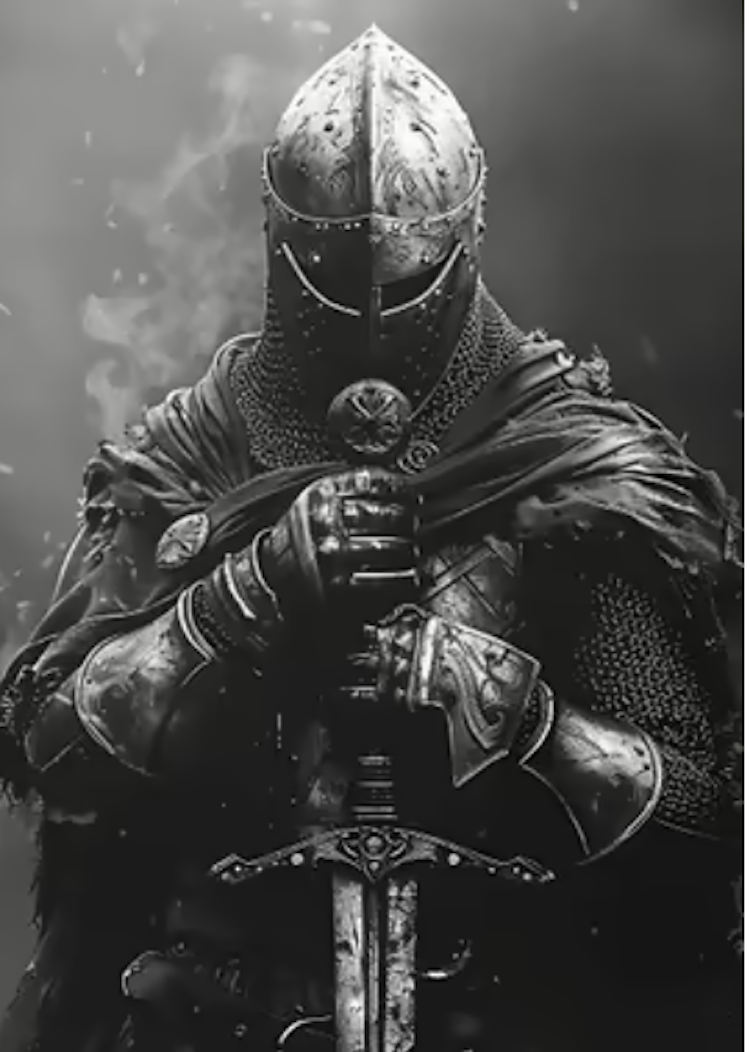
Source: pixulovesk.click.
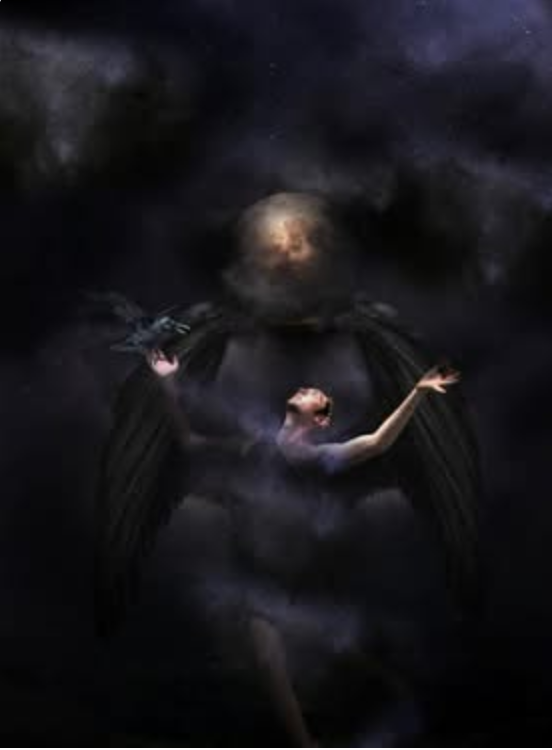
Erebus, Greek god of darkness. Source:
www.thecollector.com, "image courtesy of Hablemos."