In book 12 of the
Odyssey
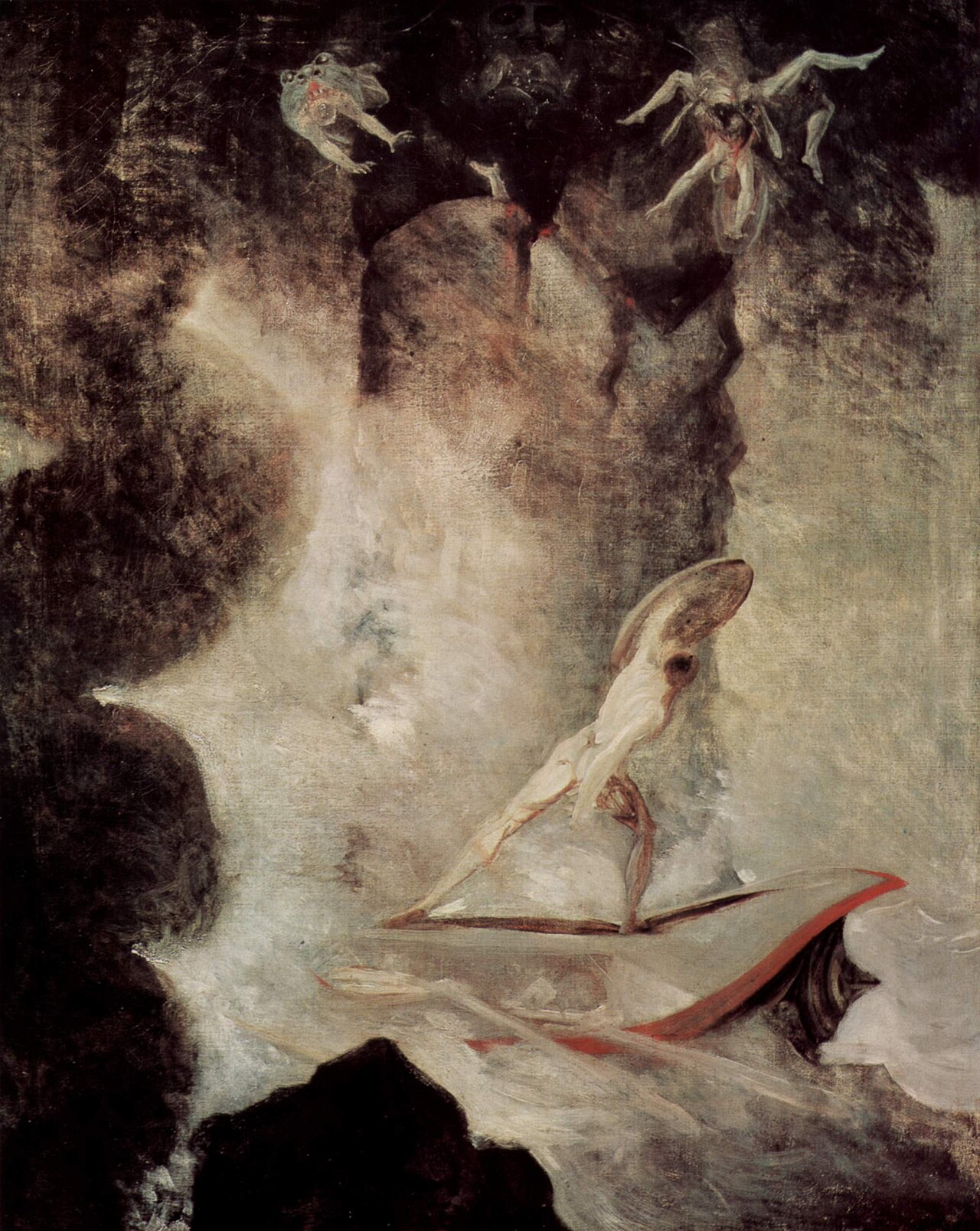
Circe tells Odysseus that if he wants to avoid the
Wandering Rocks he will
have to sail through another tight rocky strait. On one side,
high in a cave on a towering cliff face, dwells a monster whose
six heads will devour six men. On the other lurks a whirlpool
big and violent enough to take down the entire ship. Later in
this book Odysseus does as Circe advises and sails close to the
cliff face. Scylla snatches six men from the ship and hauls them
screaming up to the cave, but the voyage continues.
Joyce's text alludes to this story in some passages that seem
more incidental than consequential. When Stephen is describing
Shakespeare's sexual jealousy he fancies that different passions
swirl in the poet's breast "and the two rages
commingle in a
whirlpool." It is hard to know what to make of this brief
reference. The whirlpool is a metaphor for maddening mental
obsessions, but does knowing of Homer's Charybdis somehow
increase a reader's understanding of what Stephen is saying?
Late in the chapter, as Stephen stands across from Mulligan at
the front door of the library, he thinks, "
My will: his will
that fronts me. Seas between," and at that moment, "
A
man passed out between them, bowing, greeting." It is
Leopold Bloom, the Odysseus of this fiction, but is there any
symbolic significance in his sailing through a gauntlet of two
younger men? Bloom hardly figures in this chapter and neither
Stephen nor Mulligan is a dire threat to him, as his "bowing,
greeting" passage makes comically clear.
In less overt ways, though, the Homeric story does figure in the
chapter's intellectual structures. The "correspondences" listed
in Joyce's second schema suggest that he was thinking of Scylla
and Charybdis as emblematic of two broad conceptual oppositions.
"The Rock," Joyce wrote there, corresponds to "
Aristotle,
Dogma, Stratford" and "The Whirlpool" to "
Plato,
Mysticism, London." These intellectual groupings play an
important role in Stephen's thoughts. Russell and Eglinton, his
most formidable opponents, cultivate strains of mystical
spirituality and literary idealism that they associate with
Plato. Stephen prefers Aristotle's empirically oriented and
relentlessly logical "dagger definitions," arguing that the
function of literature is not to reveal a "world of ideas" but
to "Hold to the now, the here." Before the talk even begins, an
opposition is thus established between fiction that traffics in
abstractions and fiction concerned with empirical reality.
As Stephen begins his spiel, he maps these antinomies of
empiricism and mysticism, realism and idealism, onto the facts
of the playwright's life by investing Stratford and London with
psychological significance. Shakespeare experienced a searing
sexual betrayal in Stratford, he argues, and spent "Twenty
years" in London recoiling from that pain. His geographical move
effected a psychological divorce from sustaining family
connections. Exiled from home, Shakespeare became a spectral
shadow of his former self: "— What is a ghost? Stephen said
with tingling energy. One who has faded into impalpability
through death, through absence, through change of manners.
Elizabethan London lay as far from Stratford as corrupt Paris
lies from virgin Dublin."
But this alienation from human contacts—the
metaphor also implies a sundering of spirit from body—did
not release the playwright from his pain. Ghosts do not
enter a domain of mystical peace. They remain attached to
the unsatisfactory physical world.
Instead of pursuing escapist compensatory fantasy in his
fiction, Shakespeare spent his time in London writing about what
had happened in Stratford. Disappointed love was his devouring
Scylla, and he wrote about Anne Hathaway in play after play,
poem after poem. In
Hamlet, Stephen argues, the author
did not identify with Prince Hamlet, the idealistic young
dreamer half in love with "a consummation devoutly to be
wished." He wrote from the perspective of King Hamlet, a
murderously this-worldly ghost returning to the scene of the
crime in a hunt for vengeance. In his great tragedies
Shakespeare revisited Stratford in just this bloodthirsty way,
but by the time he wrote the late romances he had found a way to
return in a spirit of "reconciliation," healing the breach of
the original, generative "sundering." If Odysseus's story of
Scylla and Charybdis figures in this biographical narrative, its
arc has changed. Stephen's Shakespeare does not thread a needle
between opposed dangers. He journeys from Stratford to London,
and from London back to Stratford. "
He goes back."
Shakespeare's
works are filled with men who fear that the women they love
are unchaste, but few Shakespeareans will seek insights into
his plays and poems from Stephen's words.
Joyceans, however, will find many interesting insights into the
structures of
Ulysses in this chapter. Unlike
Shakespeare's protagonists, Bloom actually is a shamed cuckold
and must confront the possibility that his familial home is
irreparably lost. Stephen is an exile who has shamefully
returned: "Paris and back. Lapwing. Icarus." Joyce did the same,
but later left Dublin for good and recreated it, brick by brick,
in imagination. The novel's ghostly author creates an entire
world of remembered people through the eyes of his avatars, just
as Shakespeare did looking back on Stratford. "His own image to
a man with that queer thing genius is the standard of all
experience, material and moral." The pattern of exile and return
is one way in which Stephen's Shakespeare talk lays out a kind
of conceptual roadmap for the novel at whose center it sits.
There are others.
For the materials for his argument, Stephen is indebted not only
to many of Shakespeare's works but to three works of
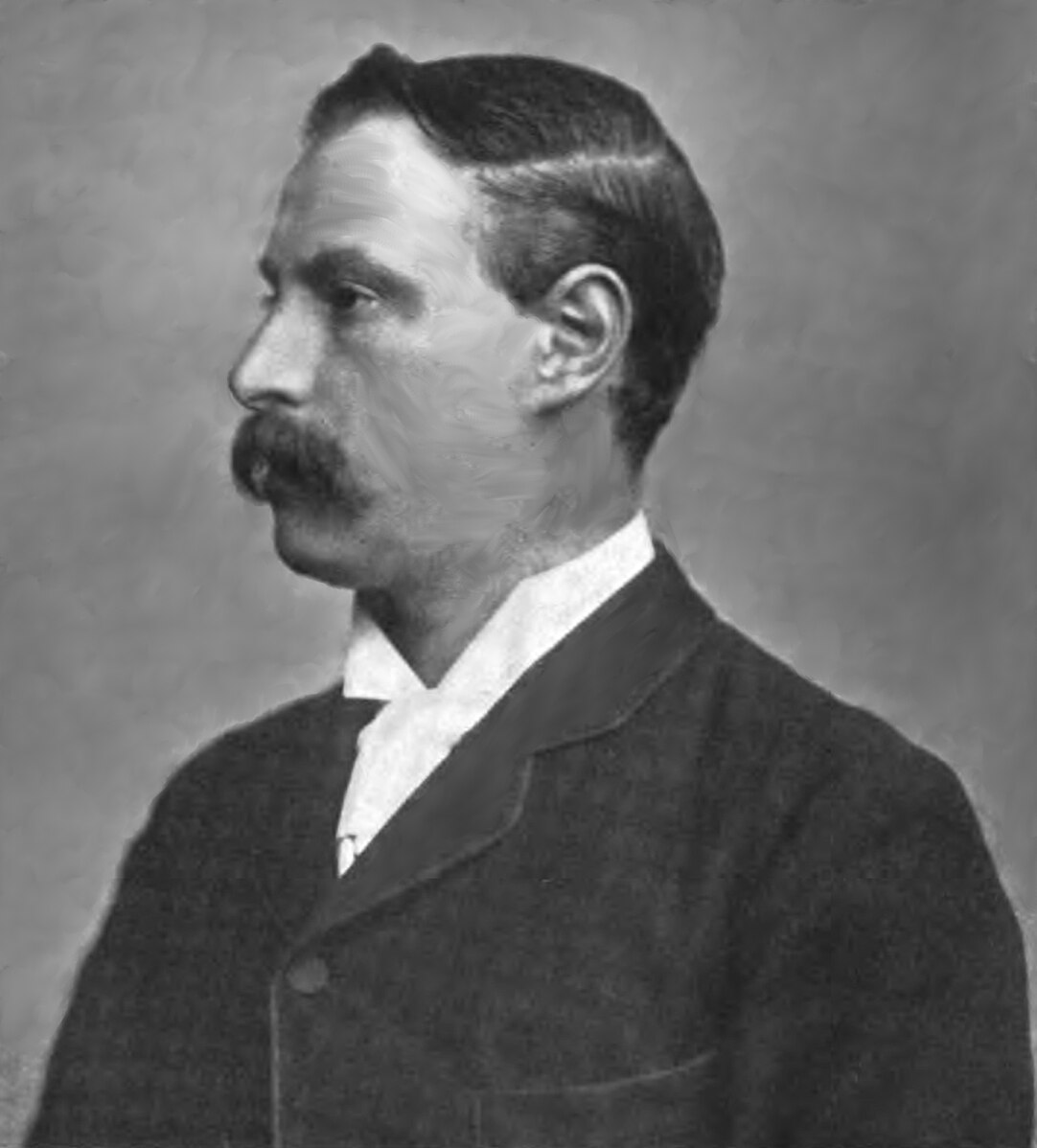
Shakespearean biography and criticism. Sidney Lee, an English
biographer and critic, published
A Life of William
Shakespeare in 1898 and saw it through four more editions
by 1905.
The Man Shakespeare and His Tragic Life Story, by
the Irish-American man of letters Frank Harris, was not
published until 1909, but Harris printed much of it in the
prominent London periodical
Saturday Review which he
edited from 1894 to 1898. The important Danish literary critic
Georg Brandes published his widely acclaimed
William
Shakespeare: A Critical Study in 1898, in an English
translation by William Archer. The influence of these works can
be seen in particular details of Stephen's argument. Of the
three, the greatest number of borrowings probably come from Lee,
but the most powerful intellectual influence may be Brandes.
Like the Norwegian playwright Henrik Ibsen, Brandes despised
fantasy, idealism, and mere aestheticism, arguing that in the
modern era literature needed to provide piercingly realistic
representations of life. Joyce greatly admired both writers. As
a young man he regarded Ibsen's dramatic works as supreme
monuments of literary truth-telling, relegating Shakespeare to
second class. But by the time he was working on
Ulysses
he apparently had decided that the English playwright deserved
his colossal reputation. Stephen presents him as a kind of
archetypal literary creator, famed for the usual reasons: he
brought hundreds of fictional people to life and through them
communicated deep insights into human thought and behavior. But
his Shakespeare is not a sage contemplating disembodied truths
in the manner of George Russell. Largely "untaught by the wisdom
he has written or by the laws he has revealed," he writes
because he has to. Every work is a confrontation with the
green-eyed monster savaging his emotional life.
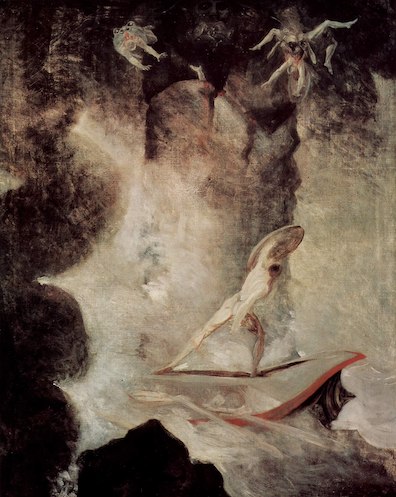
Oil on canvas painting by Henry Fuseli ca.
1794-96 showing Scylla snatching men off the ship, held in the
Aargauer Kunsthaus, Aarau, Switzerland. Source: Wikimedia
Commons.
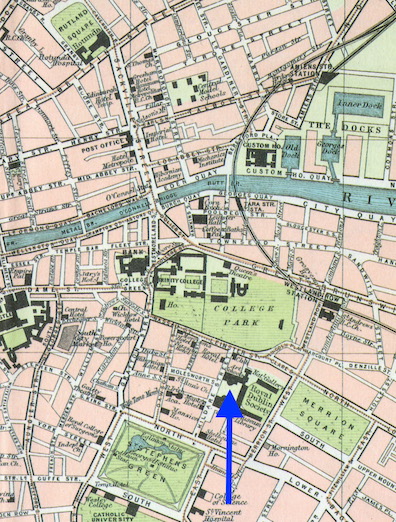
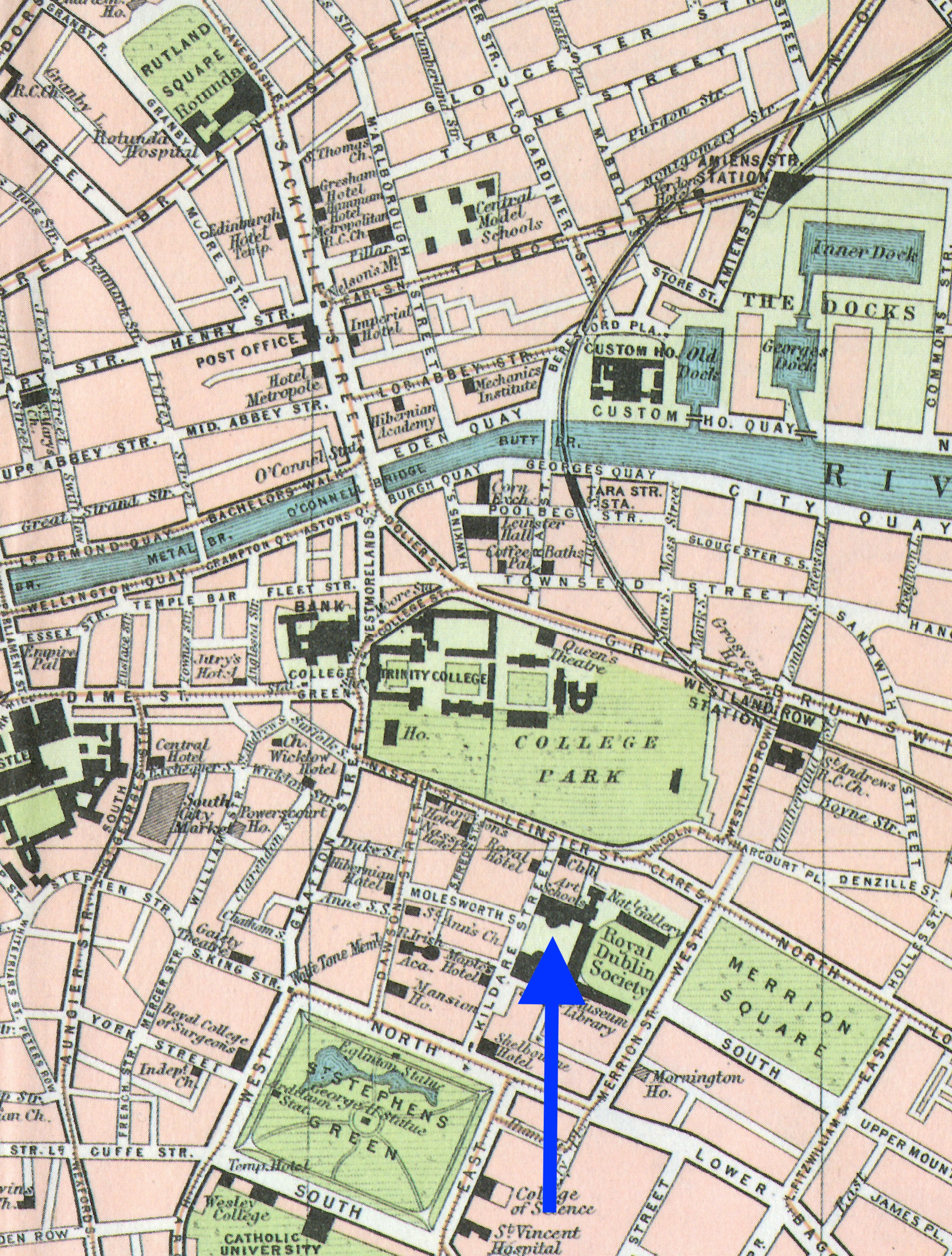
Detail of a Bartholomew map of Dublin, with
added arrow showing the location of the National Library.
Source: Pierce, James Joyce's Ireland.
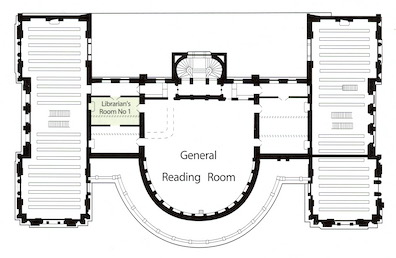
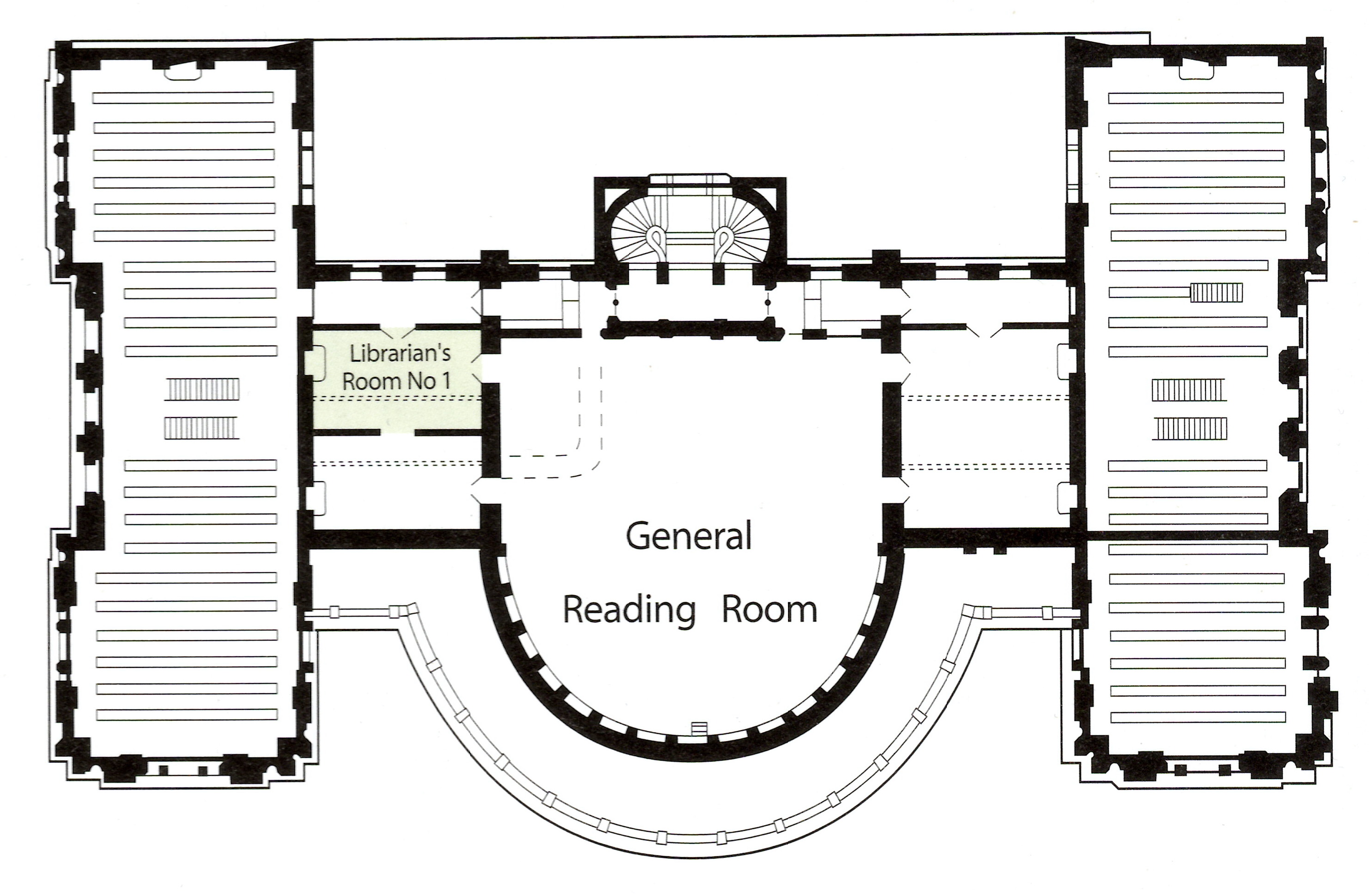
Plan of the library's first floor showing the
librarian's office where most of the chapter takes place.
Source: Gunn and Hart, James Joyce's Dublin.
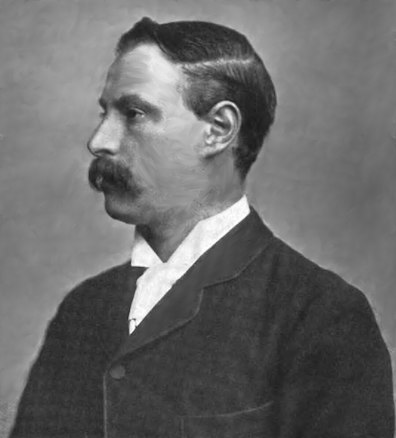
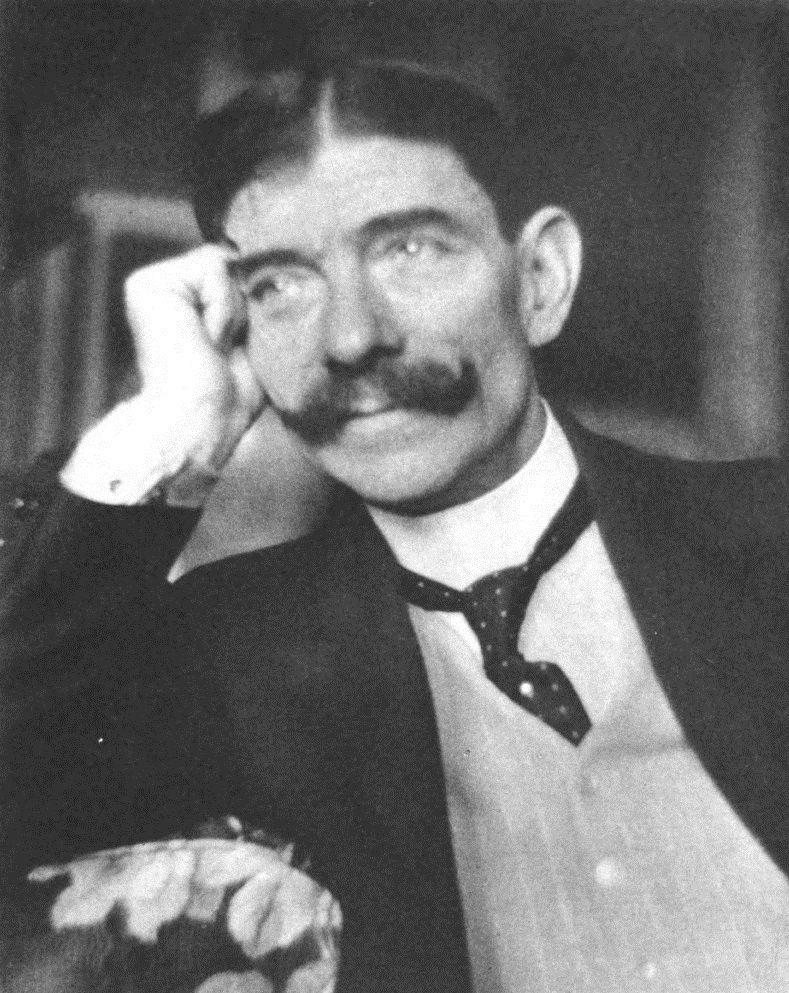
1901 photograph of Sidney Lee, born Solomon Lazarus Lee .
Source: Wikimedia Commons.
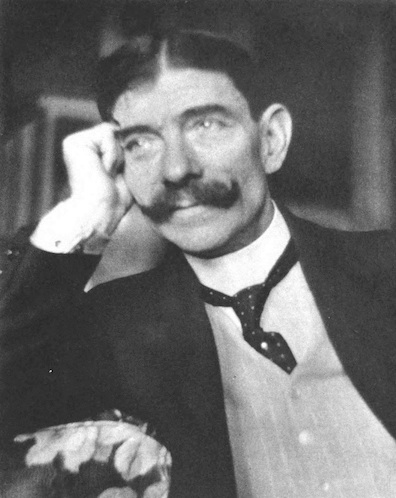
Cropped detail from Alvin Langdon Coburn's 1913 photograph of
Frank Harris. Source: Wikimedia Commons.
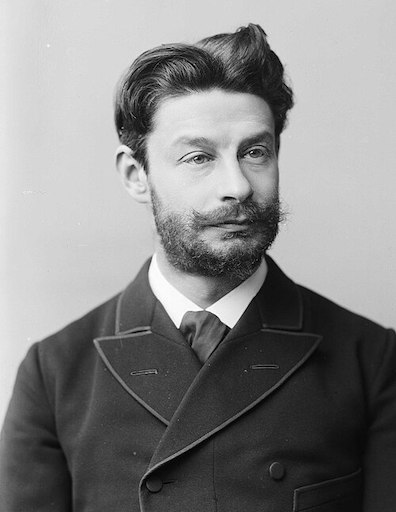
Ludwik Szaciński's ca. 1890-1900 photographic portrait
of Georg Morris Cohen Brandes. Source: Wikimedia
Commons.