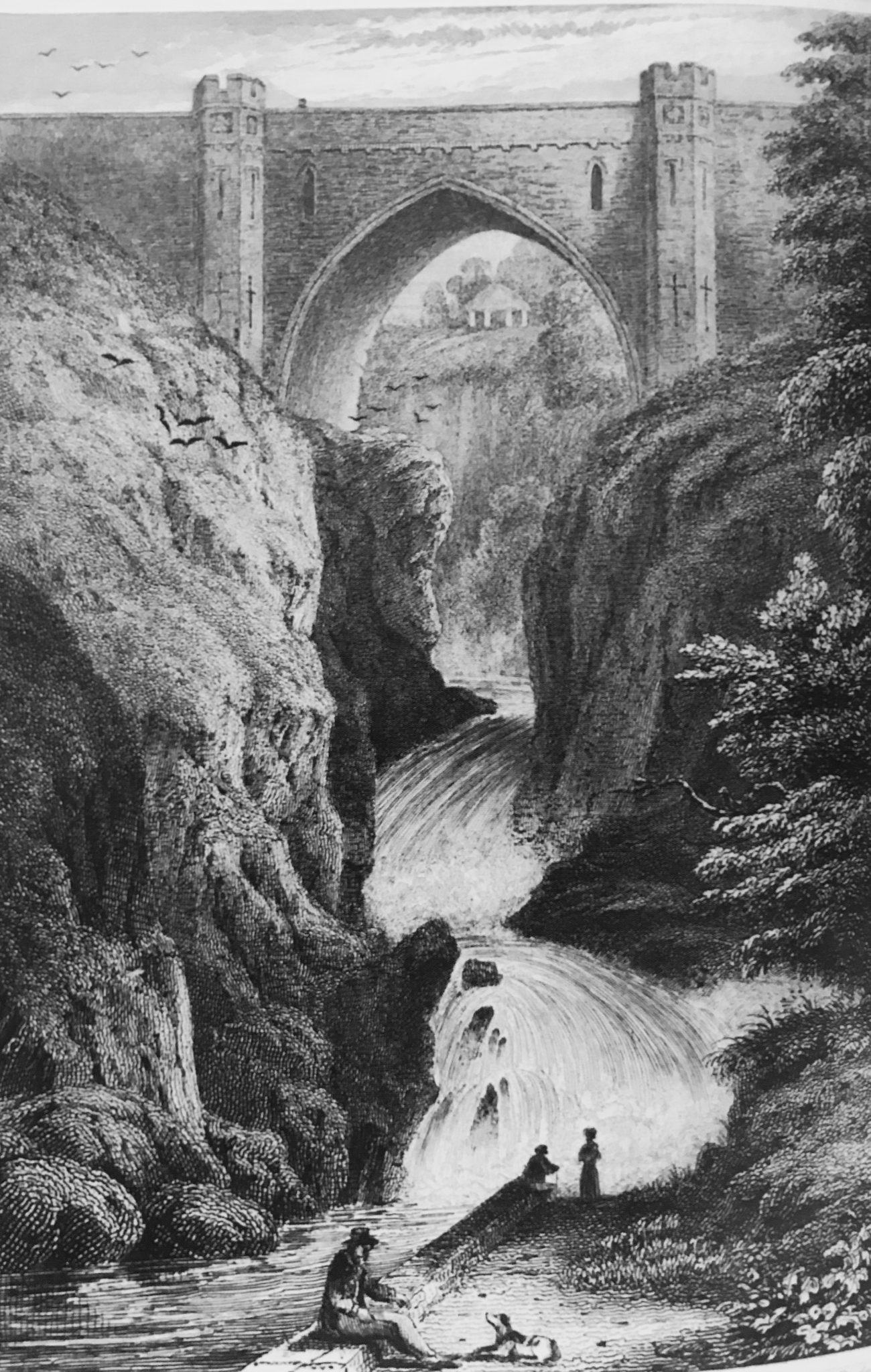
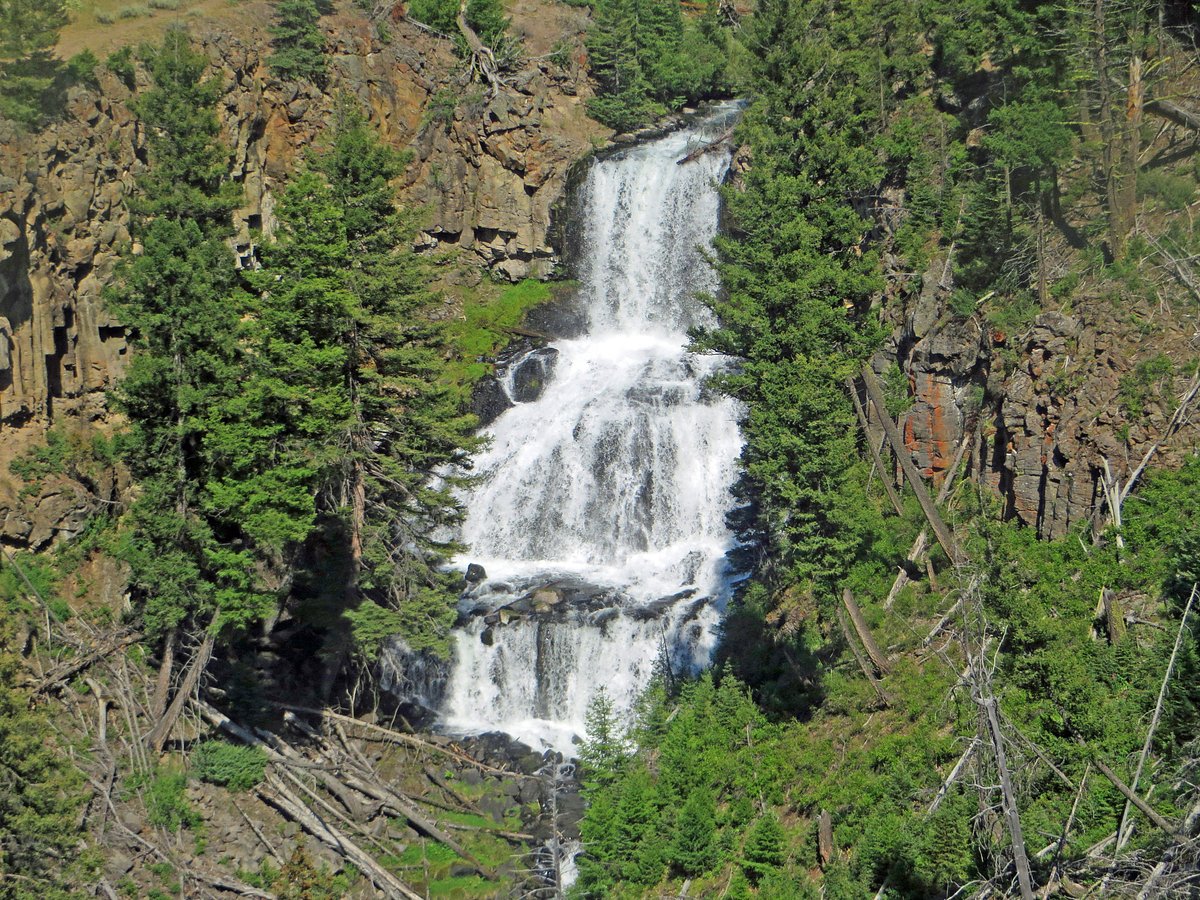
Poulaphouca (Irish Poll an Phúca, the Hole of the
Pooka) gets its name from a race of mischievous and sometimes
malevolent Irish spirits. A pooka lived in the Wicklow
waterfall, which used to plunge some 150 vertical feet through
a rock chasm about 40 feet wide. 18th and 19th century
guidebooks recognized the site's appeal as a tourist
destination and roads were built to it, as well as a bridge
crossing the chasm. In May 1895 the Dublin and Blessington
Steam Tramway opened a new line to the site called the
Blessington and Poulaphouca Steam Tramway, which Bloom thinks
of in Eumaeus: "Poulaphouca to which there was a
steam tram." But construction of a hydroelectric dam in
the 1930s and 40s reduced the waterfall almost to nothing.
During his hallucinatory conversation with the Nymph who
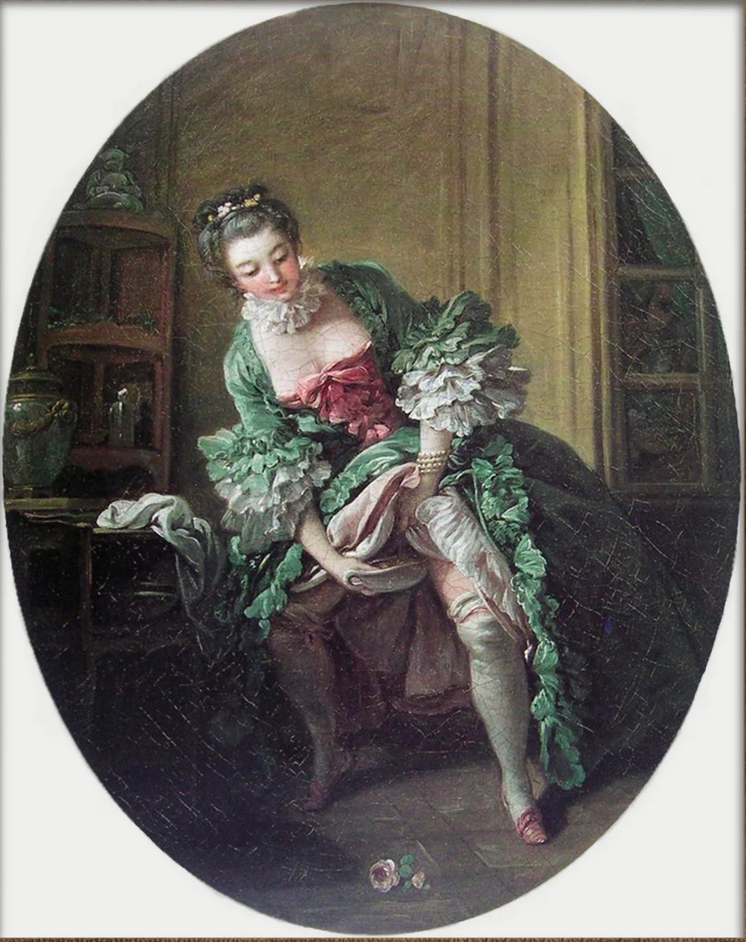
hangs over his bed, Bloom mentions the commode and chamberpot in the bedroom:
"That antiquated commode. It wasn't her weight. She scaled
just eleven stone nine. She put on nine pounds after weaning.
It was a crack and want of glue. Eh? And that absurd
orangekeyed utensil which has only one handle." Immediately
after these recollections of Molly making water, "The
sound of a waterfall is heard in bright cascade,"
speaking the word, "Poulaphouca Poulaphouca / Poulaphouca
Poulaphouca." The waterfall is imaginatively fused,
then, with a cascade of urine, and immediately afterward
thoughts of sexual excitement are introduced by a stand of
distinctly female yew trees that "grew by the Poulaphouca
waterfall."
Coyly mingling their boughs, the Yews whisperingly ask, "Who
came to Poulaphouca with the high school excursion? Who left
his nutquesting classmates to seek our shade?" It was Bloom,
and as he starts to reluctantly confess his sin the waterfall
sounds again, its refrain now slightly altered: "Poulaphouca
Poulaphouca / Phoucaphouca Phoucaphouca." The
subset of readers who may have heard the word "fuck" in the
initial mention of the waterfall may now find their dirty
minds vindicated by the relentless repetition of that
syllable. The Nymph exclaims, "O, infamy!" Rousing himself to
self-justification, Bloom pleads immaturity: "I was
precocious. Youth. The fauna. I sacrificed to the god of the
forest. The flowers that
bloom in the spring. It was pairing time. Capillary
attraction is a natural phenomenon. Lotty Clarke,
flaxenhaired, I saw at her night toilette through ill-closed
curtains, with poor papa's operaglasses."
This is one of those torrents of flimsy excuses that define
Bloom's reactions to public shaming throughout Circe.
He blames his erection on teenage hormones interacting with
natural surroundings: countryside, springtime, trees and
flowers, birds and bees. His amateur mania for scientific
"phenomena" produces a particularly absurd claim: that fluid
rose in his penis by "Capillary attraction," either on its own
or in sympathy with the sap rising in the nearby plants. Only
his final excuse, that his excitement had something to do with
spying on a neighborhood girl as she urinated, has the ring of
confessional truth. The Poulaphouca scene thus closes as it
began, with the waterfall provoking lust by calling up
memories of a woman peeing.
In writing Circe Joyce drew on several contemporary
and near-contemporary "sexologists"—writers whose
investigations of human sexuality delved forthrightly into
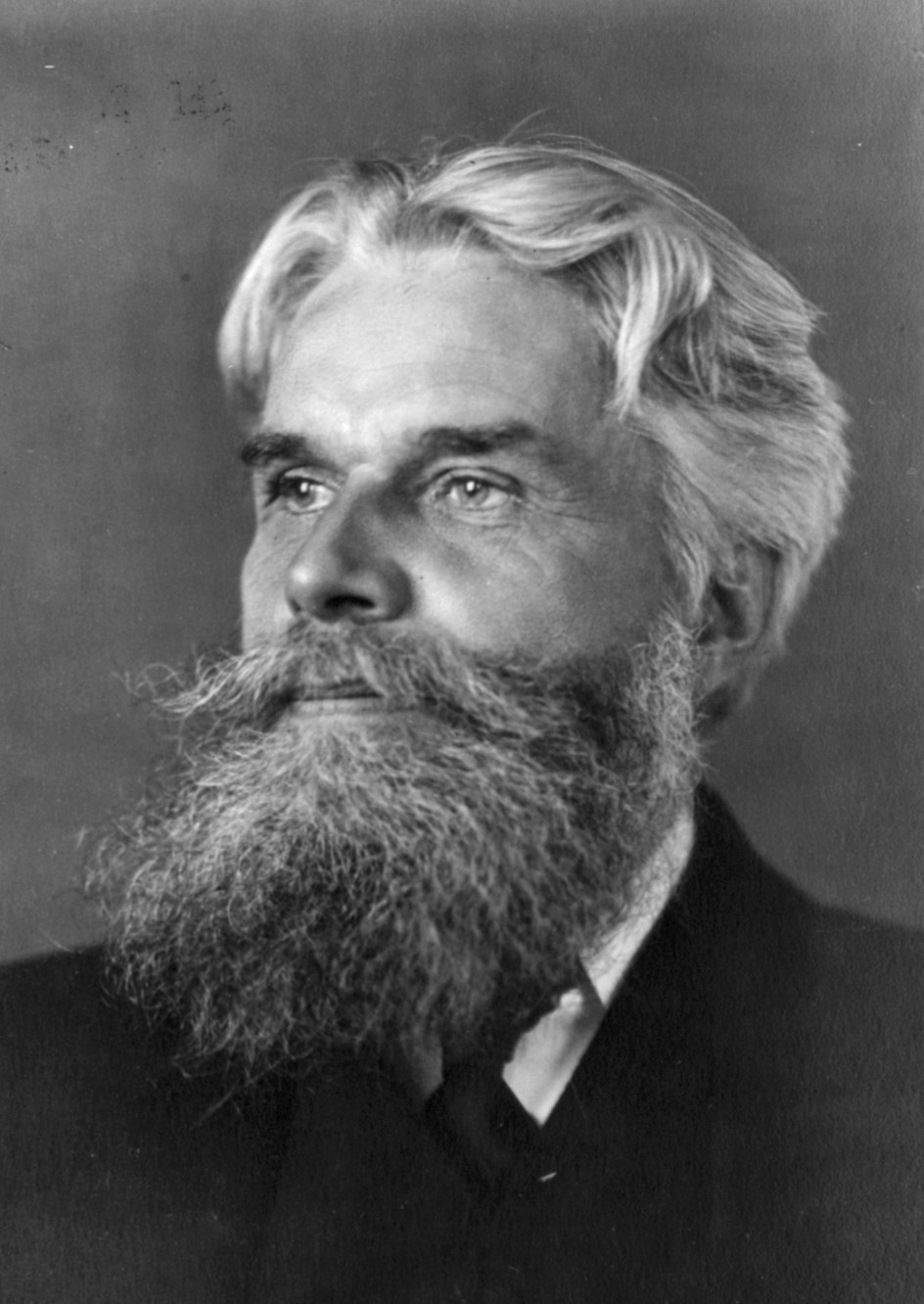
phenomena customarily regarded as perverse. One was Havelock
Ellis, an English physician who produced nonjudgmentally
probing accounts of homosexuality (he preferred the term
"inversion"), autoeroticism (a much more complex phenomenon
than just masturbation), transvestism (which he called
"eonism"), and other peculiar forms of sexual preference.
Ellis discovered one such psychosexual complex from personal
experience when, at age 60, he found himself aroused by the
sight of a woman urinating. He called this proclivity
"undinism."
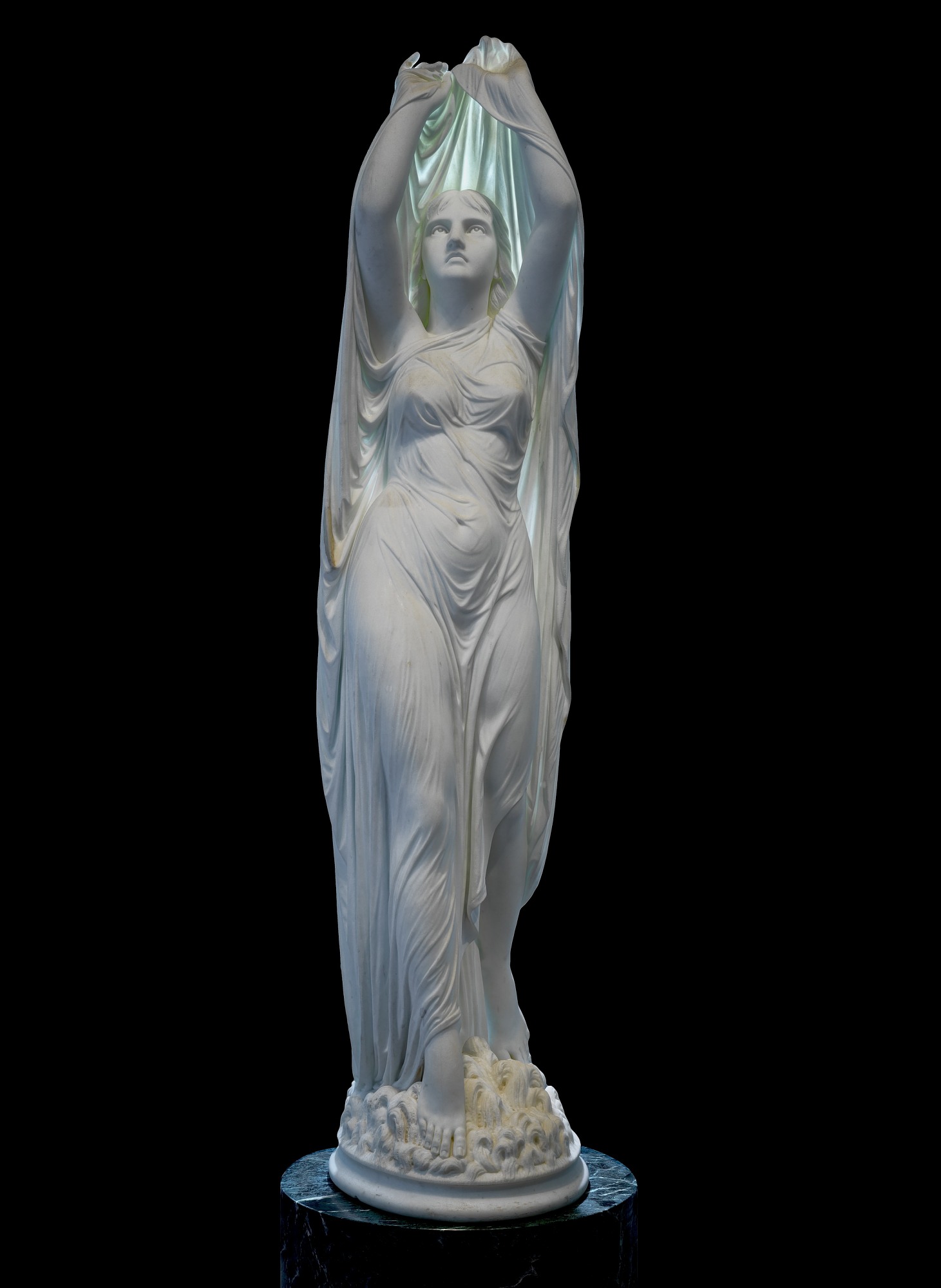
The term came from undines: female water spirits dwelling in
forest pools and waterfalls, first hypothesized by Paracelsus
in the 16th century. By the time Ellis wrote in the early
20th, the mythology had become firmly fixed in the popular
imagination. Friedrich de la Motte Fouqué's fairy-tale novella
Undine (1811) had given rise to dozens of stories,
novels, plays, paintings, sculptures, and musical compositions
in the 19th century. (The mythology has continued to inspire
artistic works down to the present day. The 21st century has
seen production of two films film called Ondine and Undine.)
Most of these works represent undines as female water-spirits
who chance to take a sexual interest in human males. The more
one learns about the mythology, the more relevant it seems to
the elements that Joyce combined in his Poulaphouca passage: a
naked goddess found in or near water ("The Bath of the Nymph"), a
waterfall named for a resident spirit, female tree spirits,
heterosexual attraction, and urination.
Did Ellis influence the writing of this passage? Joyce
admired his works greatly and had only begun to write Circe
when Ellis experienced his strange attraction in 1919. But as
far as I can determine Ellis did not publish his theory of
undinism until volume 7 of Studies in the Psychology of
Sex, which came out in 1928. Until it can be shown that
Joyce somehow learned of it by 1920, when he finished the
Nighttown chapter, any suggestion of influence must remain
speculative. If Joyce did not know of the psychological term,
perhaps he conceived of something very similar independently.
His Trieste library contained a copy of de la Motte Fouqué's Undine.
Joyce scholars do not seem to have recognized the Ellis-like
connection between urine and sexual excitement in Circe, but
at least one has come close. In James Joyce and Sexuality
(1985), Richard Brown writes, "Ellis connected his interest in
eroticism and urination with more general sexual fondness for
water and bathing for which he coined the term 'Undinism'.
There might seem to be plenty of this in Joyce's work from
Stephen's bed-wetting and the wading girl in A Portrait,
and Bloom's bath in Lotus-Eaters, to 'St Kevin
Hydrophilos' in Book IV of Finnegans Wake" (84). Brown
goes on to talk about Ellis's interest in voyeurism and
Bloom's watching Lotty Clarke "through illclosed curtains,"
but he does not remark on the link between chamberpots and
waterfalls.
Many pages of Circe are devoted to Bloom's scandalous
and uproariously embarrassing sexual peculiarities. In some
passages the analysis seems almost clinical, as when the
doctors from the hospital common room subject him to rigorous
examination. But the Poulaphouca passage is built on more
literary and mythological materials. Richard Brown aptly
observes that both Joyce and Ellis "were prepared to look at
sexual anomaly not just as matter for clinical examination
but, to some extent, as an aspect of human creativity and
imagination" (85). The word "undinism" seems perfectly, and
perhaps even uniquely, suited to what Joyce makes prose do in
this scene.
In keeping with that observation, it should also be noted
that the fixations that Bloom displays in the Poulaphouca
episode are relatively inoffensive. Ellis coined another term
for his proclivity, "urolagnia" (urine-lust), that has been
more widely embraced in our coarser culture. (Perversities
such as "golden showers" were perhaps no less commonly
practiced behind closed doors a century ago, but they were
much less commonly discussed.) But Bloom does not fantasize
about peeing on someone, or being peed on, or drinking urine.
He seems to be turned on by the mere sound of
urination, by the mere association of a woman's body
with moving water, and by a mere fancy of female
spirits inhabiting the woods and waters. His attractions to
this watery dimension of female physicality are mercifully
notional in comparison to the anal fixations that Ellis termed
"coprolagnia." There, his confessions enter darker terrain: "I
rererepugnosed in rerererepugnant..."
The thoughts explored in this note were kicked off by a
personal communication from Vincent Van Wyk, who urged me to
consider the possibility that Bloom masturbates in the woods
because he connects the sound of the nearby waterfall to
Molly's urination and is sexually aroused by it. While no one
else seems to have explicitly commented on the connection
between the two kinds of rushing water, some have probably
intuited it. Vladimir Nabokov (as recorded in Alfred Appel,
Jr.'s annotations to Lolita) remarked that "Havelock
Ellis was an 'undinist', or 'fountainist', and so was Leopold
Bloom" (425). And so too was James Joyce. Ellmann's biography
records the fact that, in a letter he wrote to Gertrude
Kaempffer in Zurich, Joyce described his first sexual
experience, at age 14. He was walking through rural fields
with the family nanny when she excused herself and asked him
to look away. "As he did so he heard the sound of liquid
splashing on the ground.... The sound aroused him: 'I jiggled
furiously', he wrote" (418).